
If the spec sheet your procurement team uses for explosion proof junction boxes has not been reviewed in a couple of years, there is a good chance it no longer reflects how the market actually works. The explosion proof junction box market has been growing steadily on the back of rising oil, gas, and petrochemical investment, and that growth is starting to change what buyers ask for at the specification stage. Three things in particular have shifted enough that reusing an old spec sheet could mean paying for the wrong certification combination, waiting longer than necessary, or missing a material upgrade your site actually needs.
1. Gulf Buyers Are Increasingly Specifying IECEx First, Not ATEX First
For years, ATEX certification was the default reference point across Middle East procurement, largely because it was the most familiar European standard. That is shifting. Facilities across the Gulf, alongside similar markets in Asia and Australia, are now specifying IECEx certification alongside ATEX, and in some tenders, ahead of it. The practical reason is straightforward: IECEx is built as a single international certification framework rather than a regional directive, which makes cross-border procurement and multi-site standardization simpler for operators running facilities across several countries. For a supplier serving Abu Dhabi’s ADNOC ecosystem, this means a junction box carrying both ATEX and IECEx on one certificate is now the safer default to stock and quote, not just the ATEX-only option that was standard a few years back.
2. Modular and Pre-Configured Builds Are Replacing Custom One-Off Orders
Custom-built junction boxes used to be the norm for anything beyond a basic terminal enclosure. The market is now moving toward modular, pre-configured designs, where a base certified enclosure accepts a range of standardized terminal blocks, cable entry configurations, and mounting options without a full custom certification cycle for every variation. For buyers, this trend matters for one practical reason: lead time. A modular unit built from pre-certified components can often be configured and shipped faster than a fully custom enclosure, without sacrificing the certification integrity of the box.
3. Material Specification Is Shifting Toward Corrosion Resistance by Default
Coastal and offshore exposure across the UAE, combined with high humidity and airborne salt in port-adjacent industrial zones, is pushing more specifications toward stainless steel, commonly 316L grade, as the starting assumption rather than an upgrade option. Cast aluminum remains widely used and cost-effective for inland industrial sites, but for anything near the coast, or in facilities running continuous outdoor exposure, corrosion resistance is increasingly written into the base spec rather than treated as an optional extra.
What Has Not Changed: The Certification Basics Still Apply
None of the above replaces the fundamentals. Every explosion proof junction box installed in a classified area still needs a documented certificate covering:
Zone rating, matching the classified zone at your specific site, commonly Zone 1 or Zone 2 for gas atmospheres and Zone 21 or Zone 22 for combustible dust.
Gas group and temperature class, confirming the box will not exceed the ignition temperature of the substances present.
IP rating, with IP66 as the practical minimum for outdoor sites in the UAE.
Certificate number, which the supplier should be able to produce on request rather than a general “explosion proof” claim on the product listing.
A Quick Spec Checklist for Your Next RFQ
- Confirm ATEX, IECEx, or both are required by your site’s compliance team
- Ask whether a modular pre-configured option is available before requesting a full custom build
- Specify stainless steel by default for coastal or offshore installations
- Match cable entry thread type (NPT or metric) to your existing gland stock
- Request terminal capacity based on actual cable count, not a rounded-up estimate
- Ask for the certificate number in writing before placing the order, not after delivery
Where This Applies on Site
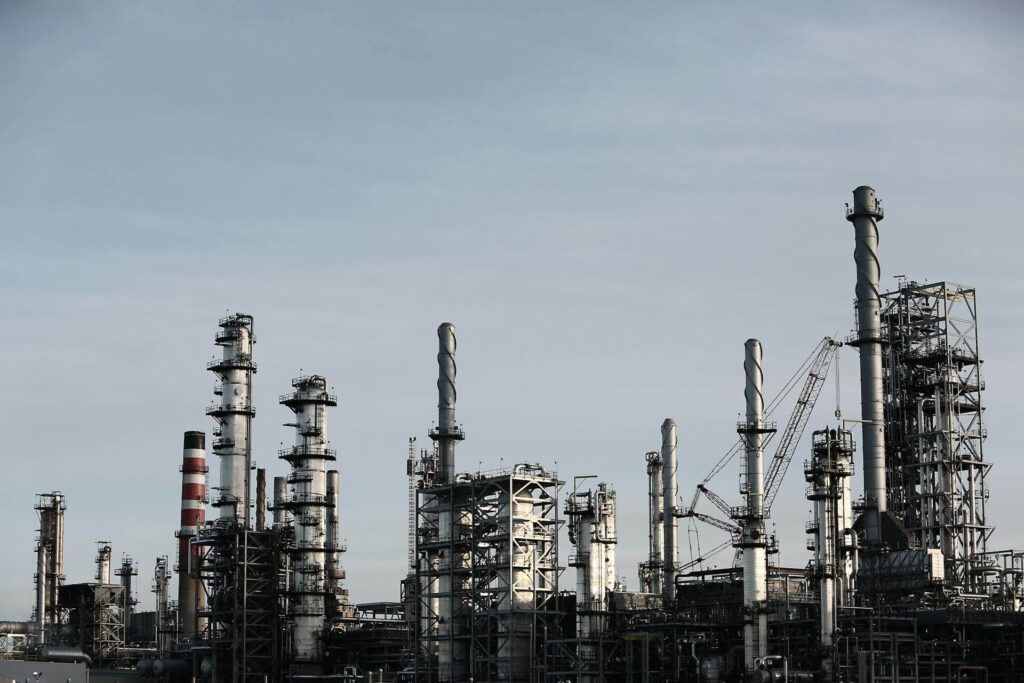
Oil and gas extraction and processing facilities, petrochemical plants and refineries, gas stations and fuel storage terminals, cable termination points for explosion proof lighting circuits, power distribution points for site wiring, and offshore or coastal industrial facilities where corrosion resistance is now a baseline requirement rather than an upgrade.
Sourcing in Abu Dhabi
Cactus Global General Trading is an ADNOC approved vendor supplying ATEX and IECEx certified explosion proof equipment across Abu Dhabi and the wider UAE. A dedicated junction box product page is in progress. In the meantime, the closest certified connection and distribution product currently available is the Explosion Proof Extension Board ATEX/IECEx, available in 2-way, 3-way, and 4-way configurations rated for Zone 1 gas and Zone 21 dust atmospheres. For junction box stock, specifications, and lead times, contact the team directly.
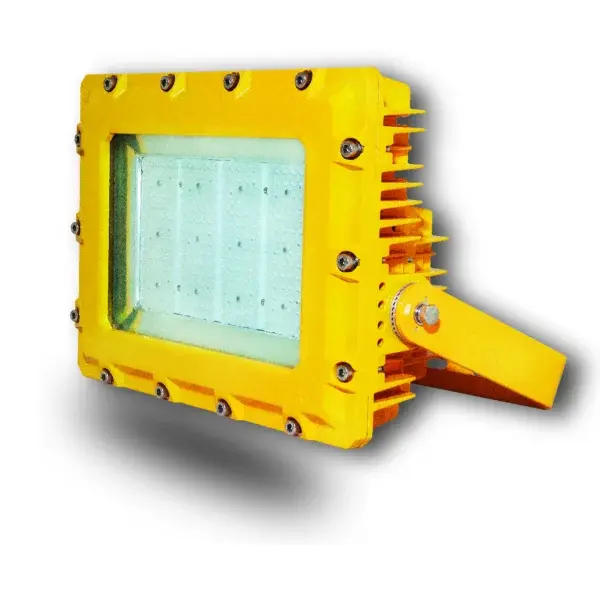
Related equipment worth reviewing alongside your next order includes explosion proof LED flood lights and the portable step down transformer for hazardous areas for the power feeding into the connection points a junction box protects. Browse the full range in the electrical equipment category.