Skip to content
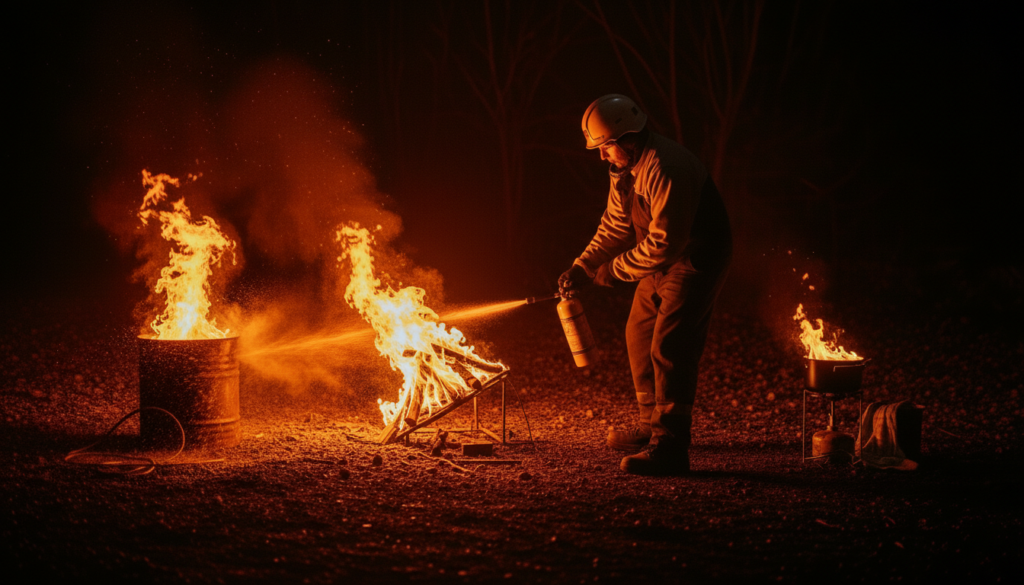
Fire safety is a legal and operational requirement across the United Arab Emirates — especially in Dubai, Abu Dhabi, and Sharjah where industrial, warehousing, and construction activity continues to grow rapidly.
Many businesses still operate based on outdated assumptions about fire risks.
According to Statista, global commercial fire damage results in billions of dollars in annual losses. In high-temperature regions like the UAE, the risk is even greater due to extreme heat, electrical loads, and dense industrial zones.
If your company sources protective materials, storage covers, or industrial tarpaulins from a trusted industrial equipment supplier in UAE, understanding real fire risk is critical.
Let’s debunk the most common myths.
Myth #1: “Fire Extinguishers Alone Are Enough”
Reality: They Are Only First-Response Tools
Many SMEs believe installing a few extinguishers makes them compliant.
However, according to the National Fire Protection Association (NFPA), extinguishers are designed only for small, early-stage fires.
They do not replace:
- Fire alarm systems
- Smoke and heat detectors
- Emergency lighting
- Fire-resistant storage materials
- Certified industrial tarpaulins
Warehouses and construction sites using high-quality PVC and PE tarpaulin solutions for industrial use reduce flame spread risks significantly when materials meet safety standards.
Myth #2: “Fire Incidents Are Rare in the UAE”
Reality: Extreme Heat Increases Fire Risk
The UAE’s summer temperatures often exceed 45°C. According to the Engineering Toolbox, higher ambient temperatures lower ignition thresholds of certain materials.
This increases risk for:
- Warehouses storing plastic sheeting
- Outdoor equipment storage
- Construction sites
- Temporary site offices
Companies that invest in durable, heavy-duty protective materials discussed on the Cactus GGT Blog improve overall site safety and compliance awareness.
Myth #3: “Insurance Will Cover Everything”
Reality: Non-Compliance Can Void Claims
Insurance providers require documented compliance with fire safety standards.
The International Organization for Standardization (ISO) outlines structured risk management systems that insurers rely on globally.
Failure to:
- Install approved fire systems
- Maintain inspection records
- Use certified fire-resistant materials
- may result in rejected claims.
Businesses sourcing materials from established UAE-based industrial suppliers strengthen compliance and reduce insurance disputes.
Myth #4: “New Buildings Don’t Need Regular Inspections”
Reality: Fire Systems Degrade Over Time
Even new facilities require regular inspections.
According to Dubai Civil Defence, commercial properties must maintain updated fire safety approvals and documentation.
Common failures include:
- Expired extinguishers
- Corroded sprinkler heads
- Faulty detectors
- Damaged protective sheets
Regular audits and replacement of compromised industrial covers significantly reduce long-term risk.
Myth #5: “Temporary Structures Don’t Need Fire Protection”
Reality: Construction & Storage Sites Are High-Risk Zones
Temporary structures often carry greater risk because of:
- Temporary wiring
- Generator overload
- Fabric-based structures
- Fuel storage
Using fire-retardant industrial tarpaulins and protective sheeting helps prevent rapid flame spread.
Businesses sourcing certified industrial protection materials through experienced UAE suppliers ensure better site safety for:
- Construction projects
- Warehousing operations
- Outdoor material storage
Common Fire Safety Mistakes UAE Businesses Make
- Choosing low-cost, non-certified materials
- Skipping annual inspections
- Ignoring warehouse heat buildup
- Improper stacking of flammable goods
- Lack of staff training
According to SafetyCulture, poor documentation and training significantly increase workplace fire risk.
Fire Safety Checklist for UAE Businesses
✔ Regulatory Compliance
Ensure compliance with UAE Civil Defense standards.
✔ Certified Materials
Use fire-resistant tarpaulins and protective materials sourced from reliable industrial suppliers.
✔ Staff Training
Conduct fire drills at least once annually.
✔ Maintenance Logs
Maintain inspection records and replacement schedules.
Industry-Specific Fire Risks in UAE
Construction
Welding sparks + temporary wiring = elevated hazard.
Warehousing
Plastic storage increases fire load intensity.
Manufacturing
Machinery overheating + chemical storage = higher ignition probability.
Businesses that follow best practices outlined by NFPA and implement certified industrial protection systems reduce exposure significantly.
Future of Fire Safety in UAE (2026 Outlook)
The future includes:
- Smart fire detection systems
- AI-powered monitoring
- IoT-enabled alarms
- Automated suppression systems
The International Code Council (ICC) continues updating building safety standards influencing regional regulations.
Proactive companies investing in compliant materials today will remain ahead of regulatory changes tomorrow.
Key Takeaways
✔ Fire extinguishers alone are not enough
✔ UAE heat increases ignition risk
✔ Insurance requires compliance documentation
✔ Maintenance is mandatory
✔ Temporary structures need fire protection
Fire safety is an investment in business continuity.
FAQs
Is fire safety mandatory in UAE?
Yes. Commercial and industrial facilities must comply with Civil Defense regulations.
How often should inspections be done?
Typically annually, depending on facility type.
Can insurance reject fire damage claims?
Yes, if compliance documentation is incomplete.
Do construction sites need fire-resistant tarpaulins?
While not always mandatory, they significantly reduce risk.
Where can businesses learn about industrial protection materials?
You can explore material insights and industry guidance on the Cactus GGT Blog.
Conclusion
Fire safety myths can cost businesses millions in damage, downtime, and legal consequences.
In the UAE’s extreme climate, relying on assumptions instead of certified protection systems is a dangerous gamble.
Investing in compliant materials, fire-resistant industrial tarpaulins, and proper inspection routines ensures long-term operational stability and regulatory peace of mind.